Hail Damage Repair in Elizabeth, Parker, and Castle Rock: What Drivers Should Know
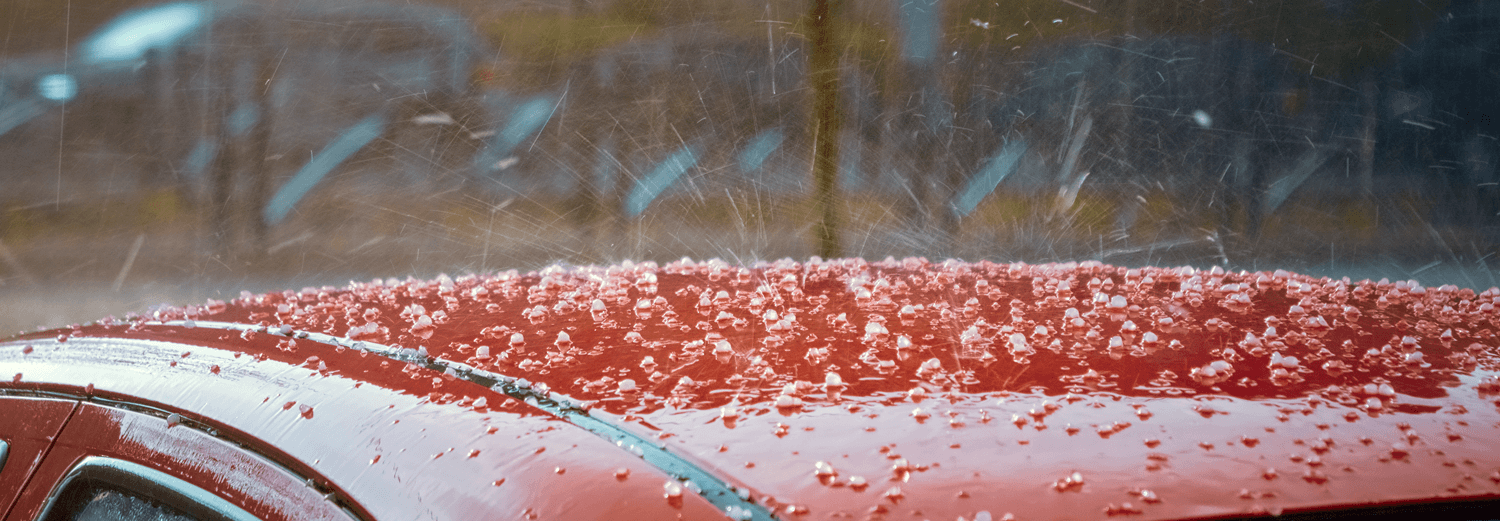
Colorado drivers know how quickly the weather can change. A sunny afternoon can turn into a severe hailstorm with very little warning, leaving vehicles throughout Elizabeth, Parker, Castle Rock, Kiowa, and surrounding communities covered in dents.
Some hail damage is immediately obvious. Other damage may look minor at first but can affect your vehicle’s paint, exterior protection, and resale value over time.
Knowing what to do after a hailstorm and having the damage inspected by a qualified local repair shop can help you avoid unnecessary problems and make sure the correct repair method is used.
Inspect Your Vehicle After the Storm
Once the storm has passed and it is safe to go outside, look over your vehicle carefully.
Hail damage commonly appears on:
The hood
The roof
The trunk or liftgate
The tops of the fenders
Doors and quarter panels
Exterior trim
Windshields and windows
Headlights and taillights
Side mirrors
Small dents can be difficult to see in flat or cloudy lighting. Looking at the panels from different angles or under bright lighting may make the damage easier to identify.
You should also check for cracked glass, chipped paint, broken lights, loose trim, and any areas where the metal or underlying material may have been exposed.
Take Photos Before Moving Forward
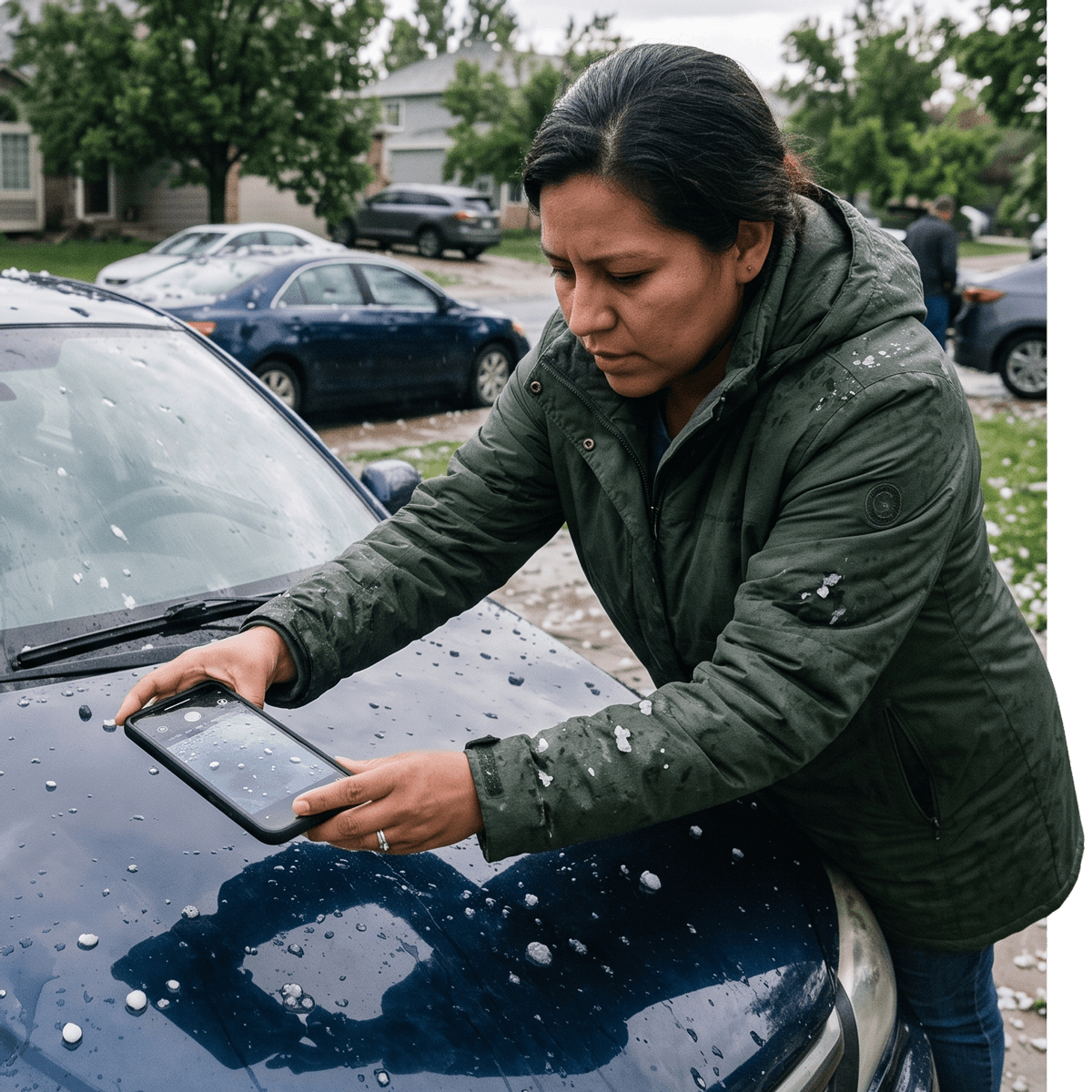
Photograph the vehicle as soon as possible after the storm.
Take wide photos showing the entire vehicle, along with close-up photos of the damaged areas. Capture the roof, hood, trunk, and both sides of the vehicle, even if the damage is difficult to see.
These photos can help document the condition of the vehicle for your insurance company and provide a record of the damage before repairs begin.
It can also be helpful to write down when and where the storm occurred, particularly if several hailstorms have recently moved through the area.
Contact Your Insurance Company
Comprehensive auto insurance commonly covers hail damage, but coverage, deductibles, and claim procedures vary by policy.
Contact your insurance company to report the damage and ask what documentation is required. You may be asked to submit photos, receive an insurance inspection, or obtain an estimate from a collision repair facility.
You typically have the right to choose the repair shop that works on your vehicle. Your insurance company may recommend certain facilities, but the final decision belongs to you.
Before filing a claim, it may also be helpful to compare the likely repair cost with your comprehensive deductible. A professional inspection can give you a clearer understanding of the extent of the damage.
When Paintless Dent Repair May Be an Option
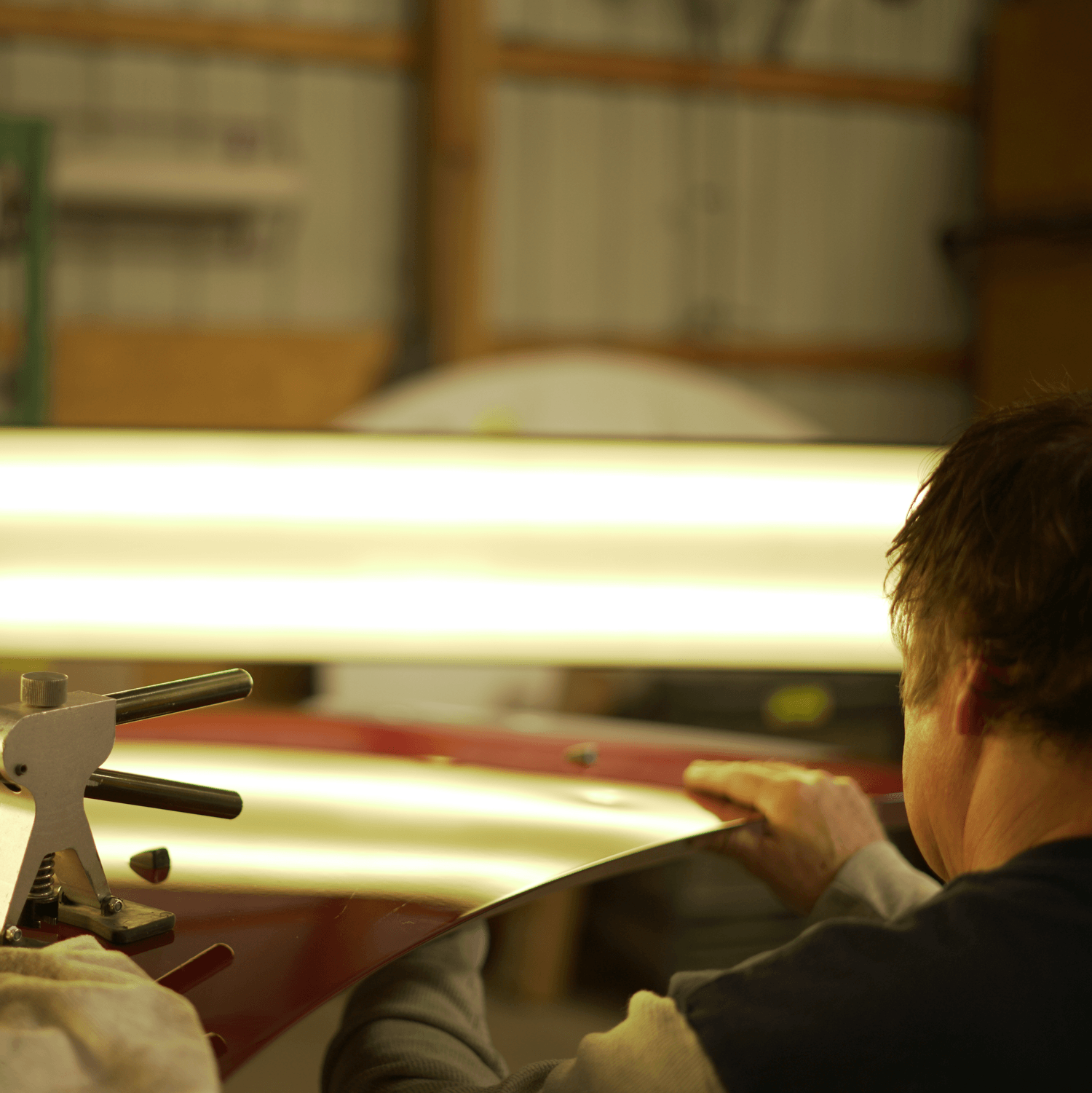
Paintless dent repair, often called PDR, is a specialized technique used to remove certain dents without sanding, filling, or repainting the damaged panel.
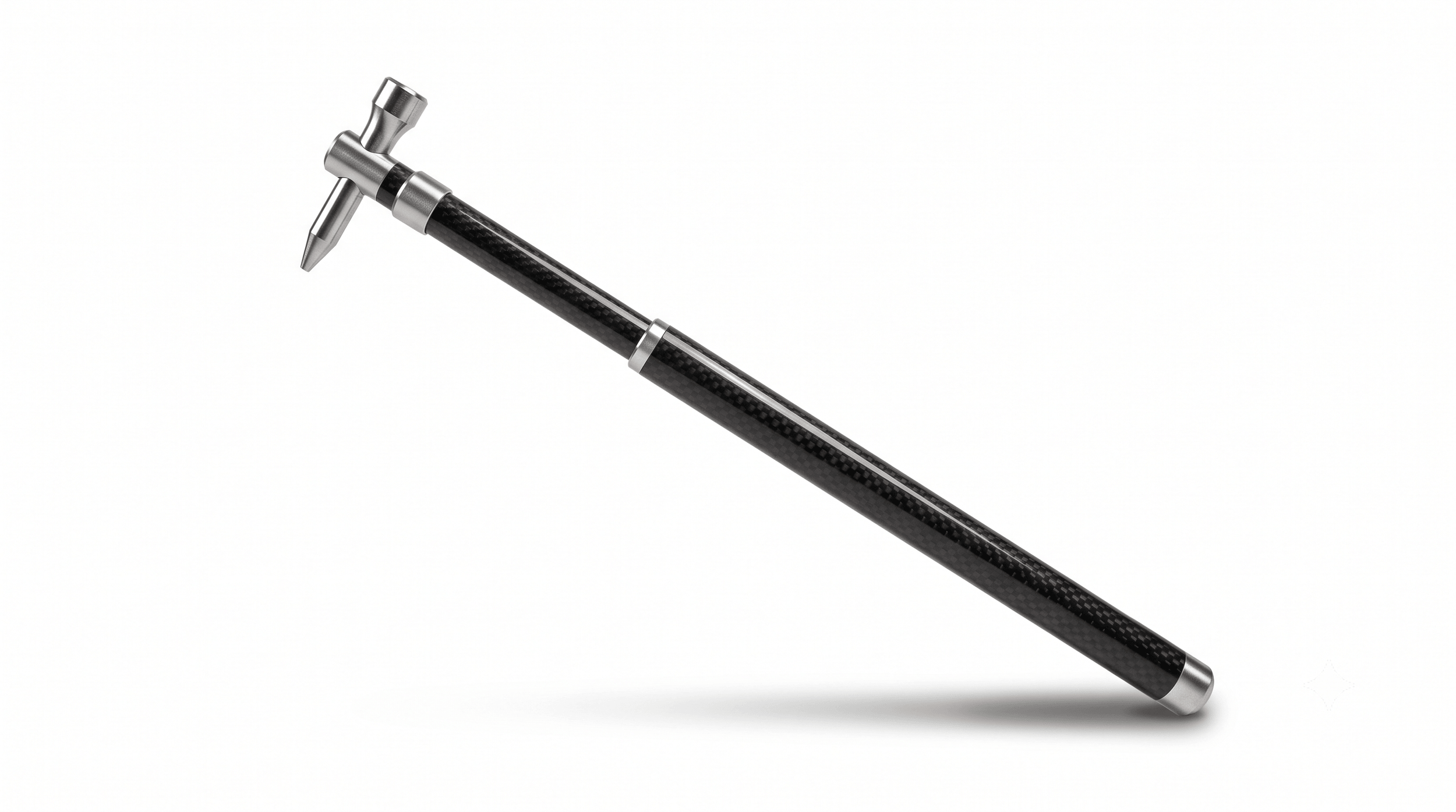
A technician carefully accesses the back of the panel and uses specialized tools to gradually return the metal to its original shape. In some cases, controlled pulling techniques may also be used from the outside of the panel.
PDR may be an option when:
The factory paint is still intact
The dents are shallow or moderate
The metal has not been sharply creased
The panel can be accessed safely
The damage is not located along a severely stretched edge or body line
The panel does not have previous repairs that interfere with the process
When appropriate, PDR can preserve the original factory finish and reduce the amount of refinishing needed.
However, not every hail dent can or should be repaired using PDR. The size, depth, location, number of dents, panel material, and condition of the paint all need to be considered.

When More Extensive Repair Is Needed
Traditional auto body repair may be necessary when hail has caused more severe damage.
This may include situations where:
Paint has cracked or chipped
The metal has stretched
Dents are deep or sharply creased
A panel has extensive damage
The damage affects a difficult body line
The panel cannot be safely accessed for PDR
Glass, trim, lights, or moldings are damaged
A panel has previous body filler or repairs
The damaged part needs to be replaced
Traditional repair may involve metal straightening, limited body filler, panel replacement, refinishing, and paint blending into nearby panels.
In some cases, a vehicle may need a combination of PDR and conventional repair. A qualified repair shop can determine which approach makes the most sense for each damaged area.
Why Small Hail Dents Should Not Be Ignored
A few small dents may seem like a cosmetic issue that can wait. However, hail damage can create several long-term concerns.
-
Visible hail dents can reduce trade-in offers and make private buyers more hesitant.
Even when the vehicle is mechanically sound, buyers often view unrepaired exterior damage as a sign that the vehicle has not been maintained. Multiple dents across the hood and roof can make the vehicle look older than it is.
-
When hail chips or cracks the paint, moisture can reach the metal underneath.
Over time, exposed areas may begin to rust, especially with Colorado’s snow, ice, road treatments, and temperature changes. What begins as a small paint chip can eventually require a more involved repair.
-
Hail dents are often easier to see under specialized lighting than they are in a driveway.
A vehicle that appears to have a handful of dents may have significantly more damage across multiple panels. A professional inspection helps create a complete repair plan rather than addressing only the most noticeable areas.
-
Waiting too long can make it harder to show which damage came from a specific storm, especially if another hailstorm occurs before the vehicle is repaired.
Prompt documentation and inspection can make the insurance process clearer and help distinguish new damage from pre-existing damage.
Do Not Try to Remove Hail Dents at Home
Online videos may suggest using boiling water, dry ice, plungers, heat guns, or suction tools to remove hail dents.
These methods can damage the paint, stretch the metal, affect protective coatings, or make professional repairs more difficult. Excessive heat can also damage plastic parts, adhesives, seals, and nearby components.
Professional PDR requires training, controlled pressure, panel access, specialized lighting, and an understanding of how automotive metal responds. Improper attempts may turn a repairable dent into one that requires refinishing or panel replacement.
Watch Out for Storm-Chasing Repair Companies
After a major Colorado hailstorm, temporary repair companies often move into affected communities.
Some may provide legitimate services, but others leave town once the storm season ends. That can make it difficult to resolve workmanship concerns, warranty issues, missing parts, or incomplete repairs later.
Before choosing a repair provider, ask:
Is the business established locally?
Does it have a physical repair facility?
Who is responsible for the completed repair?
What warranty is provided?
Who will handle concerns after the vehicle is returned?
Will the shop communicate directly with your insurance company?
Will all damaged areas be included in the repair plan?
Working with an established local auto body shop gives you somewhere to return if you have questions after the repair.
How Long Does Hail Damage Repair Take?
Repair time depends on the number and severity of dents, the repair method, parts availability, insurance approval, and the number of vehicles damaged in the storm.
After a large hail event, repair shops and insurance companies may experience a significant increase in claims. Scheduling an inspection early can help you understand the process and reserve a place in the repair schedule.
A professional shop should explain the expected repair method, estimated timeline, insurance process, and any parts that may need to be ordered.
Choose a Local Hail Damage Repair Shop
Hail repair is not just about making dents less noticeable. The goal is to restore the vehicle’s appearance while protecting the paint, panels, glass, trim, and long-term value.
At Bender Menders, we help drivers in Elizabeth, Parker, Castle Rock, Kiowa, and surrounding Colorado communities understand their repair options after a hailstorm.
Our team will inspect the damage, determine whether paintless dent repair is appropriate, identify areas that require more extensive work, and help guide you through the repair process.
If your vehicle has been caught in a recent hailstorm, contact Bender Menders to schedule an inspection before small dents become bigger concerns.