
When you're involved in a car accident, your insurance company is often one of your first calls.
As you navigate the claims process, your insurer may recommend a particular auto body shop or provide a list of preferred repair facilities. They might emphasize convenience, faster processing, or an easier experience if you choose one of their recommended locations.
What they may not explain is that these recommendations can be influenced by business agreements designed to control repair costs. And while keeping expenses manageable is important to insurance companies, your priorities as a vehicle owner should be different: safe repairs, quality replacement parts, and confidence that your vehicle is being restored properly.
In Colorado, you have the right to choose your own collision repair shop, regardless of which facility your insurance company recommends. Understanding how insurance-preferred repair programs work can help you make a decision that protects both your vehicle and your investment.
Why Insurance Companies Recommend Certain Auto Body Shops
Many insurance providers work with collision repair facilities through Direct Repair Programs (DRPs). These partnerships establish relationships between insurance companies and participating auto body shops, often involving negotiated labor rates, estimating guidelines, claims procedures, and expectations regarding replacement parts.
For insurers, these arrangements can make repair costs more predictable and help streamline claims. For customers, they may offer certain conveniences. However, there is an important distinction between a repair facility that is preferred by an insurance company and one that is best suited to repair your particular vehicle.
Insurance companies have a financial interest in minimizing claim expenses. That can create pressure to use less expensive replacement parts, limit certain repair operations, or challenge procedures that a repair facility considers necessary. Not every DRP shop compromises quality, but these financial relationships deserve consideration when you're deciding who should repair your vehicle.
The Problem With Prioritizing Repair Costs Over Repair Quality
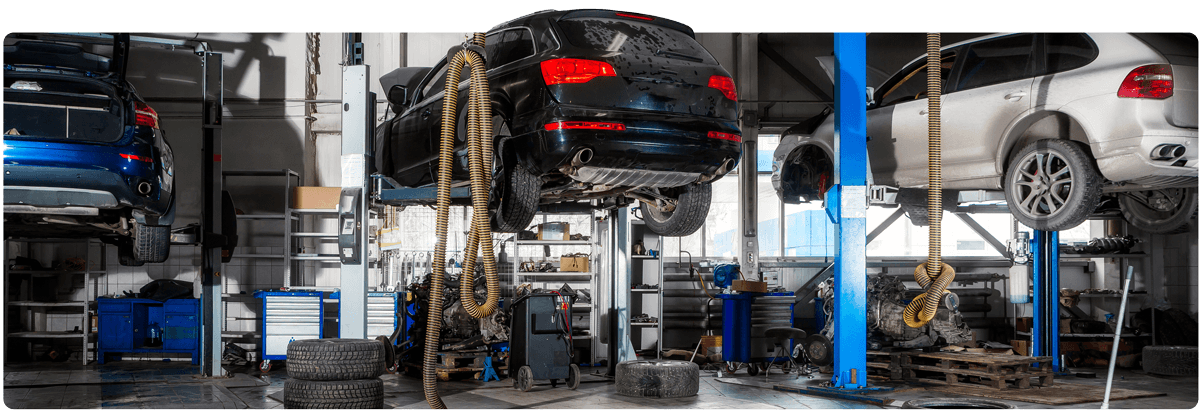
Collision repair isn't simply about making a damaged vehicle look good again. Modern vehicles contain complex structural components, advanced safety technology, and manufacturer-specific systems that require precise repair procedures.
When an insurance estimate prioritizes cost savings, certain decisions can raise legitimate concerns about the quality and completeness of the repair.
Consider a few important areas:
Replacement parts: Insurance estimates may specify aftermarket, recycled, or reconditioned components instead of new Original Equipment Manufacturer (OEM) parts. Depending on the application, these alternatives may not offer the same fit, compatibility, or manufacturer-backed specifications.
Manufacturer repair procedures: Vehicle manufacturers establish specific instructions for repairing structural components, replacing damaged materials, and restoring safety systems. These procedures should guide repair decisions rather than simply choosing the least expensive approach.
Hidden collision damage: An initial insurance estimate may not account for damage concealed behind panels, bumpers, or structural components. Proper disassembly and inspection can uncover additional repairs that need to be documented and addressed.
Safety-system calibrations: Modern vehicles frequently require diagnostic scans and recalibration of cameras, sensors, and driver assistance systems following certain collision repairs.
Repair documentation and transparency: A reputable collision repair facility should explain its repair recommendations, identify the replacement parts being used, and communicate when an insurance estimate doesn't account for necessary work.
The goal shouldn't be to complete the cheapest possible repair. It should be to restore the vehicle properly, using appropriate parts, methods, and safety procedures.
What Are Your Rights When Choosing an Auto Body Shop in Colorado?
Colorado law protects your ability to select the repair facility you trust. Under Colorado Revised Statute 10-4-120, insurance companies cannot require you to use a specific auto body shop or improperly pressure you into choosing one of their preferred facilities.
Your insurer can recommend a shop, but that recommendation is not a requirement. You can choose an independent collision repair facility, even if it isn't part of your insurance company's direct repair network.
Choosing your own shop also doesn't automatically invalidate your claim. Insurance companies remain responsible for covered repair costs under the applicable policy, although disagreements over labor rates, replacement parts, and specific repair procedures can arise.
Colorado law also requires repair facilities to disclose the types of replacement parts included in an estimate and obtain customer consent before installing them. This gives vehicle owners an important opportunity to understand whether their repair will involve new OEM, aftermarket, used, or reconditioned parts.
How Bender Menders Works With Insurance Companies

Choosing an independent auto body shop doesn't mean you have to navigate the collision repair process alone.
At Bender Menders, we work with insurance companies throughout the repair process while keeping our focus on the vehicle and the customer.
Insurance estimates are an important starting point, but they don't always tell the complete story. When additional damage is discovered or a repair requires procedures beyond the original estimate, those findings may need to be documented and reviewed with the insurance provider.
Our approach is centered on helping customers understand their repair options, the work their vehicle needs, and the decisions that can affect the final outcome. Rather than allowing an insurance company's preferred pricing structure to be the deciding factor, we believe repairs should be evaluated based on the vehicle's condition and appropriate repair standards.
Your Insurance Company Can Recommend a Shop. You Make the Choice.
When comparing auto body shops after an accident, don't make your decision based solely on which facility your insurer recommends. Consider the shop's experience, commitment to manufacturer repair procedures, communication practices, parts recommendations, and approach to vehicle safety.
For drivers in Parker, Castle Pines, Castle Rock, and surrounding Colorado communities, Bender Menders provides an independent collision repair option focused on helping customers make informed decisions about their vehicles.
If you've been involved in an accident and aren't sure where to take your vehicle, we're here to help you understand your options.
Contact Bender Menders to schedule a free collision repair estimate and choose a repair team that puts your vehicle first.
Visit BenderMenders.com/Appointments to get started.