What Happens After You Drop Off Your Vehicle for Collision Repair?
After a car accident, dropping your vehicle off at an auto body shop is the first step toward getting back on the road. But what actually happens once you hand over your keys?
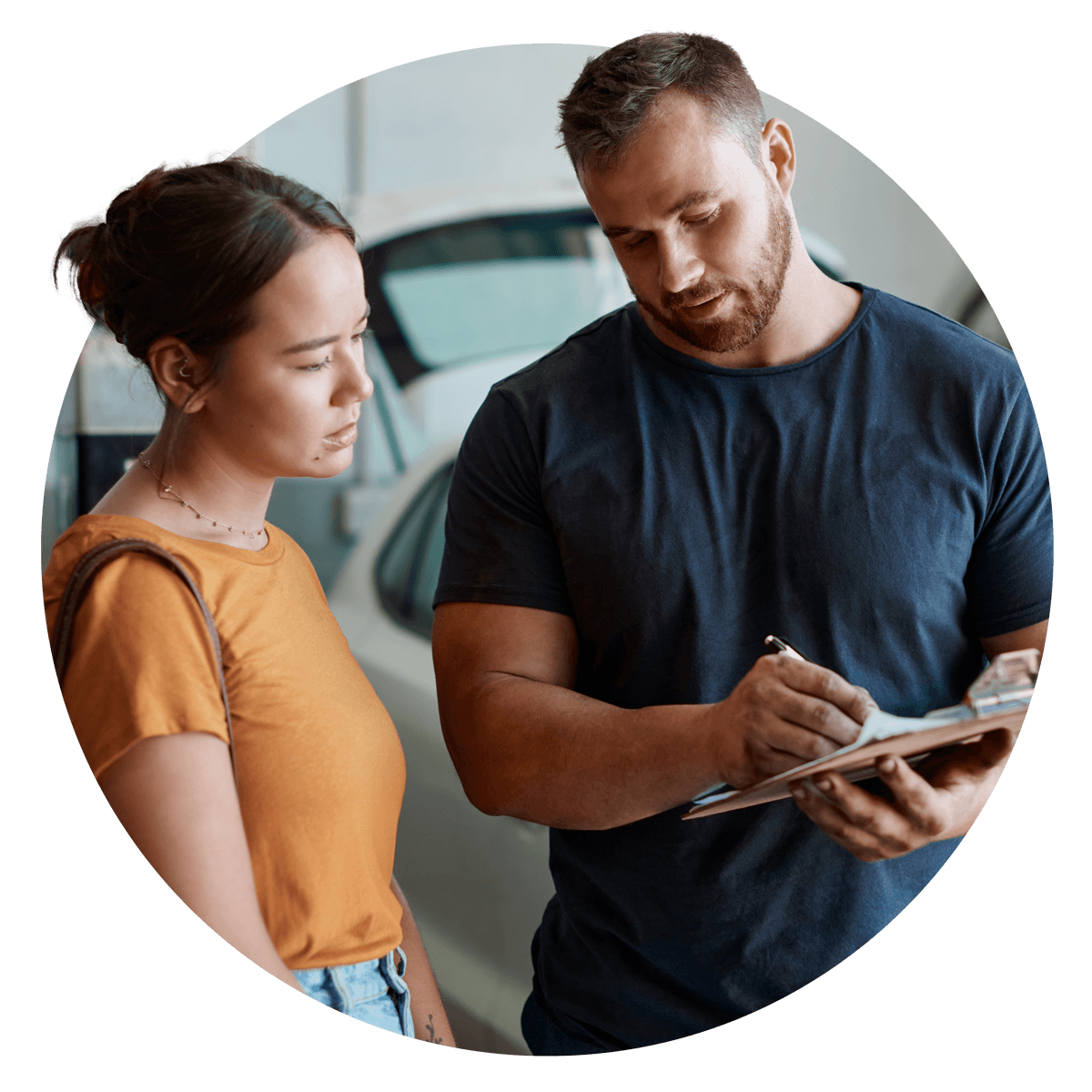
For many drivers, the auto collision repair process is unfamiliar.
While you may know your vehicle needs bodywork, replacement parts, or paint, there is often much more involved in completing a proper repair. From identifying hidden damage to inspecting safety systems, each stage serves an important purpose.
At Bender Menders in Elizabeth, Colorado, we understand how important it is to know what's happening with your vehicle. Here's a closer look at the collision repair process from start to finish.
Step 1: Initial Damage Assessment
The repair process begins with inspecting your vehicle and documenting the damage caused by the accident. Technicians evaluate visible issues such as dents, broken components, damaged panels, and alignment concerns to develop an initial repair estimate.
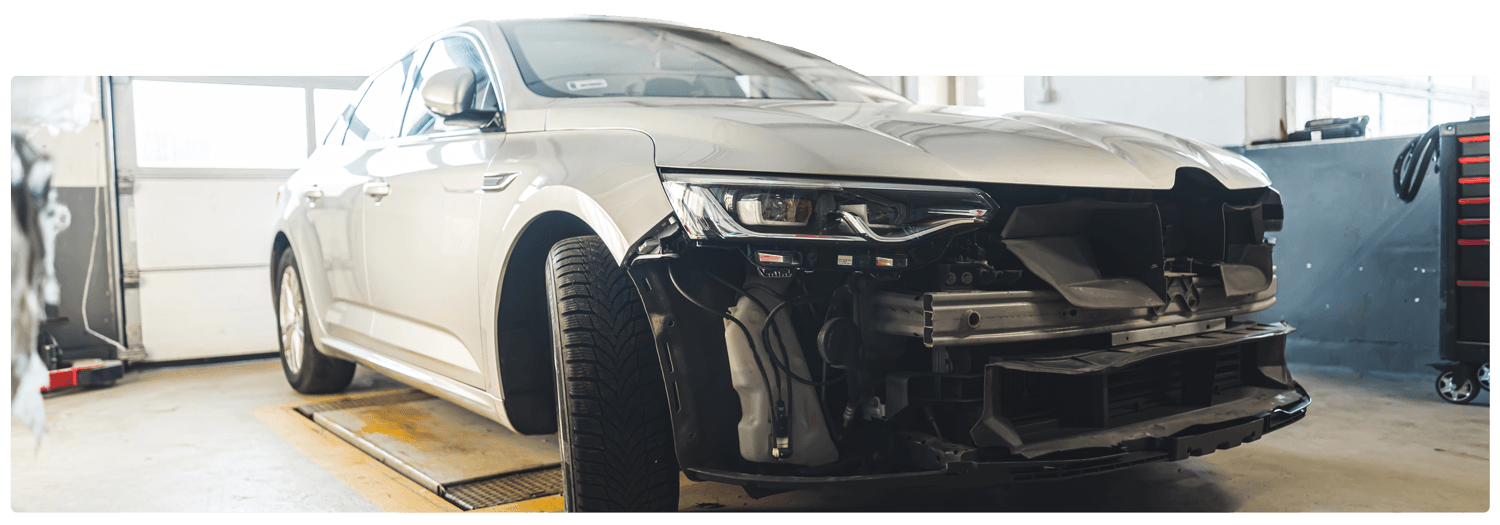
However, not all collision damage is immediately visible. Bumpers, fenders, and other exterior panels can conceal damaged brackets, structural components, or electronic systems that require additional attention.
Step 2: Disassembly and Hidden Damage Inspection
Once repairs are ready to begin, technicians may remove damaged components to inspect the underlying areas. This process helps identify issues that could not be confirmed during the initial assessment.
For example, a damaged rear bumper might also involve the reinforcement bar, energy absorber, or nearby sensors. If additional damage is discovered, the repair estimate may need to be updated.
When insurance is involved, the shop may submit a supplemental estimate documenting the newly identified damage. This is a common part of collision repair and can affect the timeline if additional parts or approvals are required.
Step 3: Repair Planning and Structural Work
After identifying the full extent of the damage, technicians develop a repair plan and determine which parts need repair or replacement.
If the accident affected the vehicle's frame or structural components, specialized measuring and repair equipment may be necessary. Modern vehicles use high-strength materials and manufacturer-specific construction methods, making proper repair procedures particularly important.
Replacement parts are also ordered during the planning process. Their availability can influence when certain repairs can be completed.
Step 4: Auto Body Repair and Painting
Once structural repairs are addressed, technicians begin restoring damaged exterior components. This may involve repairing dents, replacing panels, correcting alignment, and preparing surfaces for refinishing.
The automotive painting process involves more than selecting the correct paint code. Technicians must consider color variations, metallic or pearl finishes, and the condition of the existing paint. Depending on the repair, blending into adjacent panels may be necessary to achieve a consistent appearance.
Proper surface preparation, paint application, and curing all contribute to a professional, durable finish.
Step 5: Reassembly and Safety-System Checks
After refinishing, the vehicle is reassembled. Bumpers, lights, trim, and other components are reinstalled, and affected systems are checked for proper operation.
Modern vehicles often include advanced safety features such as blind-spot monitoring, automatic emergency braking, and lane departure warnings. Depending on the damage and manufacturer requirements, diagnostic scans or sensor calibrations may be necessary before the vehicle is ready for pickup.
These steps help ensure the repair addresses more than exterior appearance.
Step 6: Final Quality Control and Pickup
Before returning your vehicle, the completed repairs undergo a final inspection. Depending on the work performed, technicians may evaluate:
Body panel alignment and fit
Paint quality and color consistency
Lights, doors, and other affected components
Completion of required safety-system checks
Overall repair quality and vehicle condition
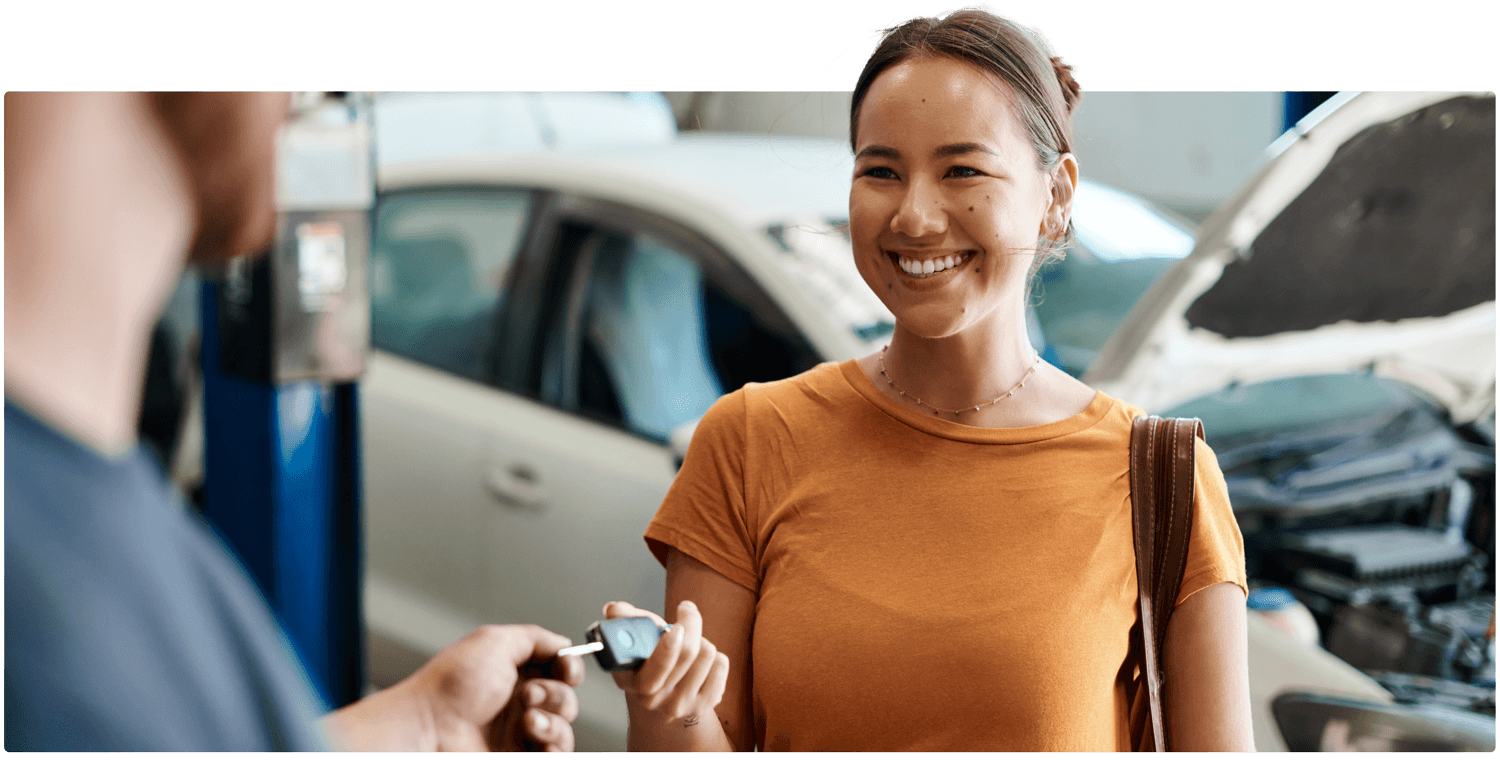
Once the repairs and inspections are complete, the shop can review the finished work and final paperwork with you.
Auto Collision Repair in Elizabeth, CO
At Bender Menders, we provide professional auto collision repair and auto body services for drivers in Elizabeth, Parker, Castle Rock, Kiowa, Franktown, and surrounding communities.
Whether your vehicle needs minor bodywork or extensive accident repairs, every stage of the process contributes to the finished result.
Our goal is to provide quality repairs while helping you understand what goes into restoring your vehicle.
Need collision repair after an accident? Contact Bender Menders to schedule an estimate and get started on getting your vehicle back on the road.