Why Your Auto Collision Repair Estimate May Be Higher Than the Insurance Estimate
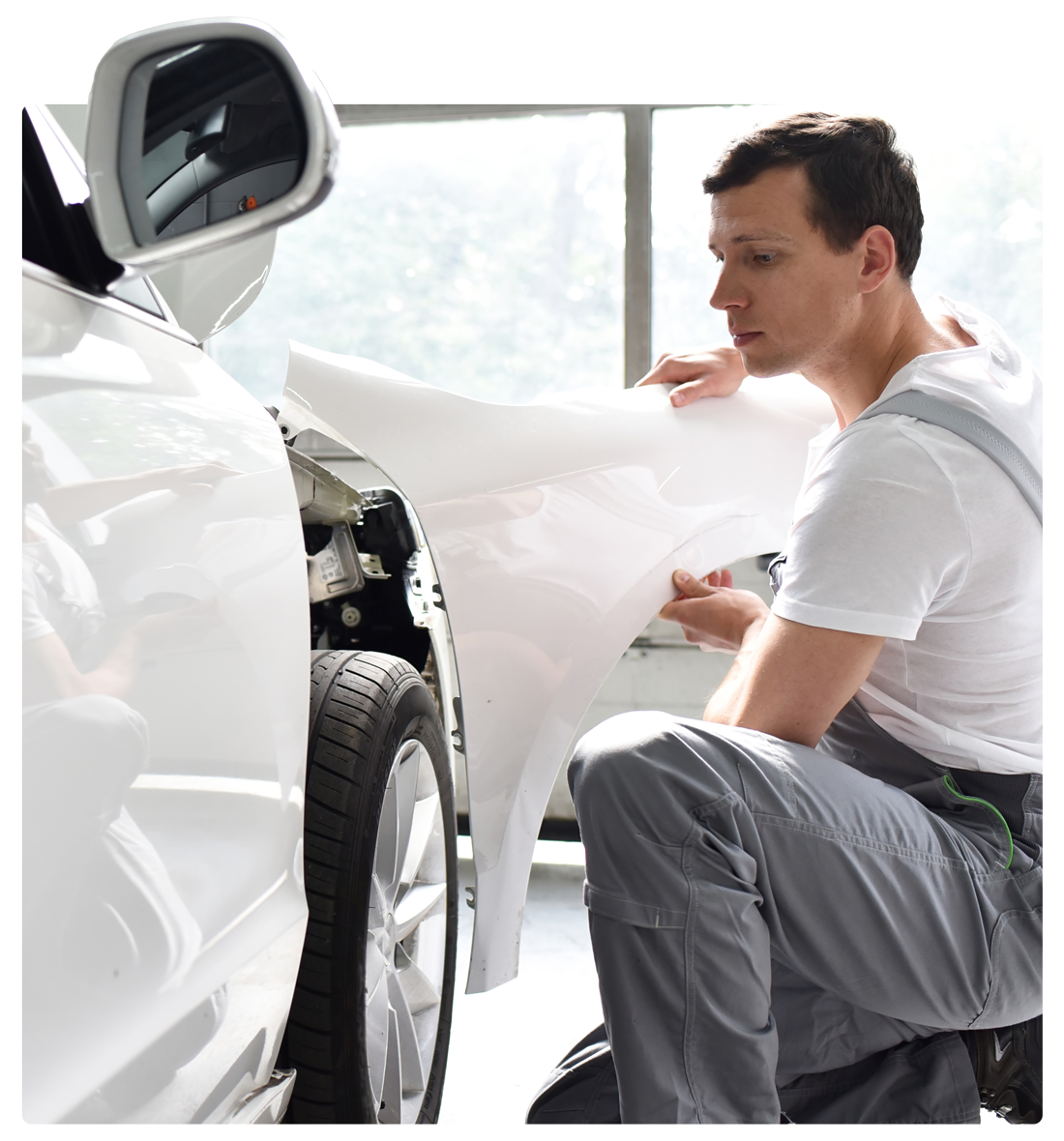
After an accident, your insurance company will usually provide an initial estimate for the damage to your vehicle.
It is easy to assume that number represents the full cost of the repair, so it can be confusing when the estimate changes after your vehicle arrives at the body shop.
In many cases, that change is a normal part of the collision repair process. The first estimate is often based only on the damage that can be seen during the initial inspection. Once the vehicle is disassembled, technicians may find additional damage behind bumpers, body panels, lights, trim, or other components that simply could not be seen from the outside.
At Bender Menders, our job is to build a repair plan based on what your vehicle actually needs to be repaired properly and safely. When additional accident-related damage is discovered, we document it and work with the insurance company through the supplement process.
Why the First Estimate May Not Include Everything
An insurance adjuster can only estimate the damage that is visible during the initial inspection. Depending on the carrier, that estimate may be written after an in-person inspection or based on photos submitted through an app or online claims system.
Either way, there are limits to what can be seen without removing damaged parts. A bumper may appear to be the only component that needs to be replaced, but once it is removed, technicians may discover damage to:
Reinforcement bars
Mounting brackets
Wiring or electrical components
Sensors and cameras
Lights or trim
Structural components
Suspension or mechanical parts
Those items may not have appeared on the original estimate because there was no way to confirm the damage until the vehicle was taken apart.
That does not necessarily mean the first estimate was wrong. It often means that more information became available once the repair process began.
What Happens During Disassembly?
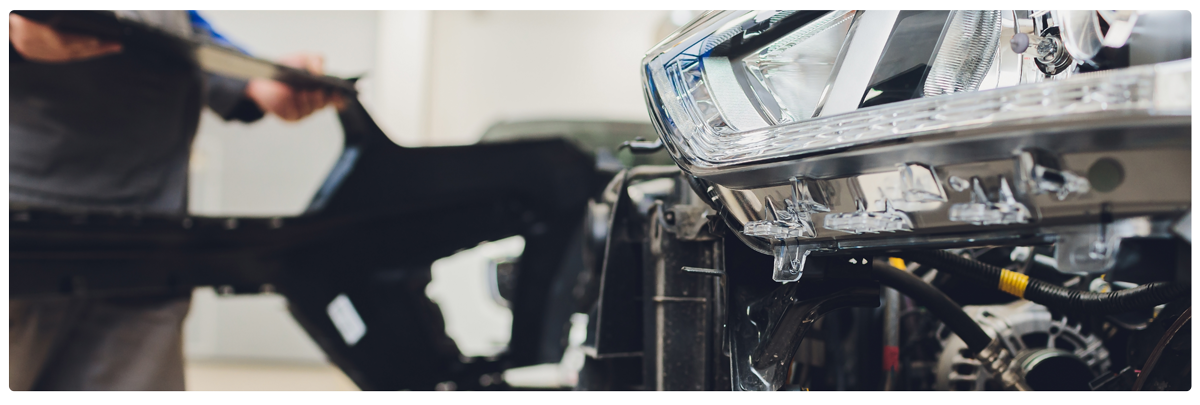
Disassembly, sometimes called teardown, is an important step in collision repair because it allows technicians to inspect areas that were not accessible during the original estimate. Damaged and surrounding components are removed so the repair team can see the full extent of the damage and develop a more complete repair plan.
This is especially important with modern vehicles. Cameras, sensors, wiring, advanced driver assistance systems, and structural components can all be located behind exterior panels. What looks like relatively minor cosmetic damage from the outside may involve additional repairs underneath.
A thorough inspection helps make sure the repair addresses the entire vehicle, not just the damage that is easy to see.
What Is an Insurance Supplement?
When additional accident-related damage is discovered after the original insurance estimate has been written, the body shop can submit a supplement. A supplement is simply an update to the original estimate that includes repairs, parts, labor, or procedures that were not identified during the first inspection.
For example, the initial estimate may include replacing a damaged bumper cover. Once the bumper is removed, the shop may find that the reinforcement and mounting brackets were also damaged in the collision. Those additional items are documented and submitted to the insurance company for review.
A supplement may include:
Photos of the newly discovered damage
An updated repair estimate
Additional parts and labor
Required repair procedures
Calibration or diagnostic requirements
Supporting documentation for the insurance carrier
Supplements are common in collision repair. They do not automatically mean something went wrong or that the repair shop is adding unnecessary work. In many cases, they simply reflect damage that could not be identified until the vehicle was disassembled.
How Bender Menders Works With the Insurance Company
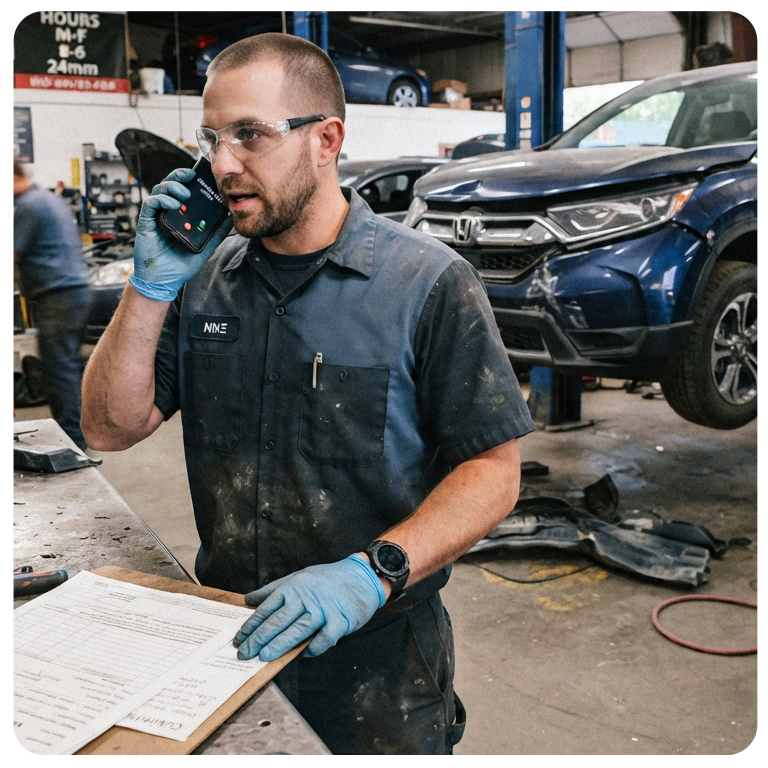
When our technicians discover additional accident-related damage, we document what was found and communicate that information to the insurance company.
The carrier then reviews the supplement and determines coverage based on the claim and the terms of the vehicle owner’s policy.
Our goal is to make the process as straightforward as possible for our customers while making sure the repair plan reflects what the vehicle actually needs. We handle the documentation and communication involved in the supplement process so the necessary repairs can be reviewed and approved.
The focus should always be on repairing the vehicle correctly, not simply making the final repair match an estimate that was written before the full extent of the damage was known.
Does a Higher Repair Estimate Mean You Will Pay More?
Not necessarily. If the additional damage is related to the original accident, the shop can submit those repairs to the insurance company as part of the supplement process. The insurance carrier will review the additional damage and determine what is covered under your policy.
An increased repair total also does not typically mean you suddenly have another deductible just because the estimate changed. Your specific coverage and financial responsibility can vary, so any questions about your policy should always be confirmed directly with your insurance company.
The important thing to understand is that a higher final repair estimate does not automatically mean the additional cost will be passed along to you.
Why Finding Hidden Damage Matters
Nobody wants the cost of a repair to increase, but finding hidden damage is an important part of repairing a vehicle correctly. If a damaged bracket, structural component, sensor, or mounting point is hiding behind a body panel, you want the repair shop to find it before the vehicle is put back together.
Ignoring hidden damage just to keep the repair total close to the original estimate can create larger problems later. A complete repair plan allows the technicians to address everything affected by the collision and follow the appropriate repair procedures.
With today’s vehicles, collision repair often involves much more than replacing a damaged panel. Depending on the accident, the repair may also involve structural work, electronics, safety systems, diagnostics, and calibrations.
What Should You Do If Your Estimate Changes?
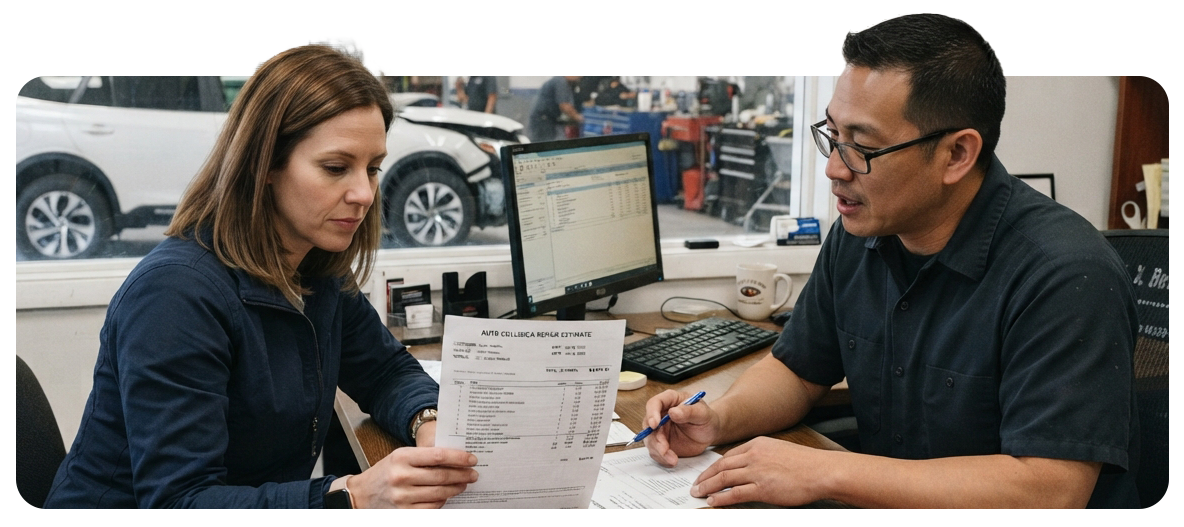
If the repair estimate changes, ask questions. A reputable collision repair shop should be able to explain what additional damage was discovered, why the repair plan changed, and what information is being submitted to the insurance company.
At Bender Menders, we believe our customers should understand what is happening with their vehicle throughout the repair process. An updated estimate should not feel like a mystery. In many cases, it simply means the shop now has a more complete picture of the damage than was available during the first inspection.
Collision Repair You Can Feel Confident About
If your vehicle has been damaged in an accident, remember that the first insurance estimate is often just the starting point.
Once the vehicle is properly inspected and disassembled, the repair plan may need to change based on what is found underneath the surface.
At Bender Menders, we take the time to inspect the vehicle thoroughly, document additional accident-related damage, and work with insurance companies throughout the repair process. Our goal is to make sure your vehicle receives the repairs it actually needs and that you understand what is happening every step of the way.
If you need collision repair in Elizabeth, Colorado or the surrounding area, contact Bender Menders to schedule an estimate and learn more about the repair process.